GDPR-Compliant Software Development: What German & Dutch Startups Need to Know
Germany and the Netherlands have some of the strictest data protection expectations in Europe. Here's what actually needs to happen at the development level to build GDPR-compliant software from day one.
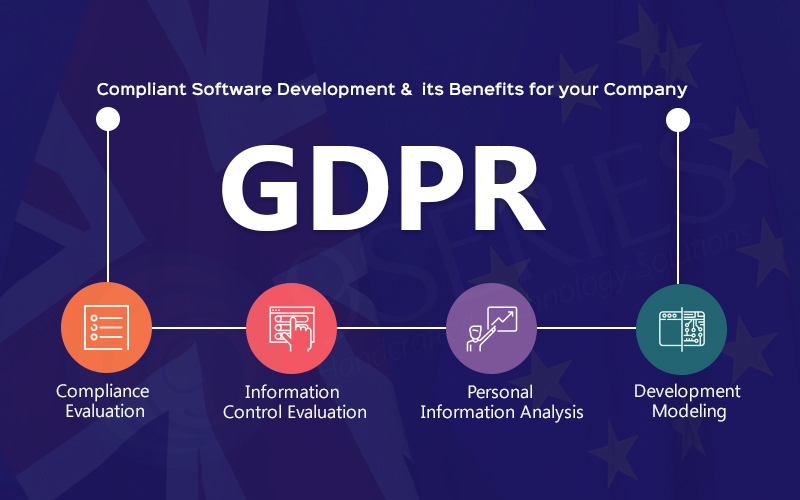
German and Dutch startups operate under some of the most rigorously enforced data protection expectations in Europe — not just GDPR on paper, but a business culture where users and B2B buyers actively ask about data handling before they'll sign up. If you're building a product for these markets, compliance isn't a legal afterthought bolted on before launch — it needs to shape technical decisions from day one.
Why This Matters More in DACH and Benelux Markets Specifically
German consumers and businesses in particular have a well-documented higher sensitivity to data privacy than many other markets, partly rooted in the country's regulatory history. Dutch business culture carries similar expectations, especially in B2B SaaS where procurement teams routinely request compliance documentation before closing a deal. If your product can't answer basic data-handling questions clearly, you lose deals before you ever get to a feature discussion.
What Actually Needs to Happen at the Development Level
1. Data residency decisions made early, not retrofitted Where your data is hosted matters. EU-based hosting (rather than defaulting to US-based cloud regions) is often expected, and sometimes required depending on your customer base and sector. This is an infrastructure decision that's expensive to change after launch — get it right from the start.
2. Data minimization built into your schema Only collect and store what you actually need. This isn't just a policy statement — it should be reflected in your actual database design and form fields. Every extra field you collect is extra liability and extra compliance surface area.
3. Clear consent and data-deletion mechanisms Users need a real, functioning way to request their data or have it deleted — not a support ticket that quietly gets ignored. This needs to be built as an actual feature, not a manual process someone forgets to follow.
4. Encryption at rest and in transit, as a default, not an add-on This should be standard practice regardless of market, but German and Dutch B2B buyers are more likely to explicitly ask about it during procurement.
5. Third-party vendor awareness Every third-party tool your product sends data to (analytics, email providers, AI APIs) needs to be accounted for in your compliance posture. A GDPR-compliant core product undermined by an uncontrolled third-party integration is a common and avoidable mistake.
6. Documentation your sales team can actually hand over A technically compliant product still loses deals if there's no clear documentation (data processing agreements, subprocessor lists, security overview) ready to send when a prospect's procurement team asks.
Common Mistakes We See
Treating GDPR as a cookie banner and privacy policy page, with no actual backend changes to support it
Defaulting to US-based cloud infrastructure without evaluating EU hosting options
Collecting more user data than the product actually needs, "just in case"
No real technical process for a user data-deletion request, leaving it as a manual, easy-to-miss task
Final Thought
Building for German and Dutch markets means compliance has to be a development decision, not just a legal one — made at the database, hosting, and integration level from day one. Retrofitting this after launch is significantly more expensive and risky than building it in from the start. If you're building a product for these markets and want compliance handled correctly from the first line of code, talk to our team — we build with EU data protection requirements as a default, not an afterthought.